No products in the cart.
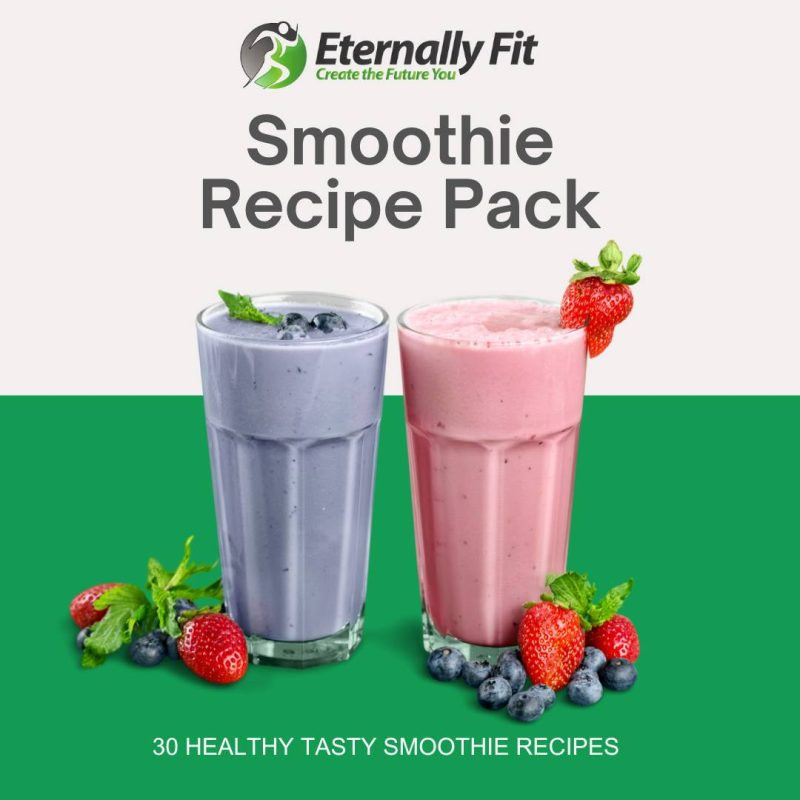

Smoothie Recipe Pack
$29.00
30 Healthy Tasty Smoothie Recipes
The more frequently a person feeds their body with good nutrition, the easier it becomes to achieve their goals. From the research, increasing meal frequency generally means nutrition consumption every 3-4 hours. That means at least 5-6 meals a day, 7 days a week, every single week. Don’t panic! I’m not telling you to eat more food – take your normal 3 meals, make them smaller, and then gradually add some liquid meals.
When the right ingredients are at hand, the finest liquid nutrition can be prepared and drank in a few minutes. The simple strategy of placing three liquid meals in between three whole food meals can be a key factor in determining whether or not a person sticks with their nutrition plan long enough to recap the rewards.
Back in the 90’s packet meal replacements really exploded onto the market. They were often touted as scientifically engineered foods, or state-of-the-art nutrition. However, the formulations were nothing more than a pouch of milk protein powder (usually lower grade), some maltodextrin (sugar) with vitamins and minerals thrown in for good measure.
Convenient? Yes. State-of-the-art nutrition? Hardly.
Most of these smoothies contain protein powder. For years dieticians, athletes and their coaches have squabbled about the relevance of protein supplements for active people. A good protein supplement does much more than simply increase the quantity of protein in the diet. Research clearly shows that certain types of protein affect body protein anabolism (recovery and growth), antioxidant capacity, hormonal responses and therefore, have the potential to affect health and body composition changes during exercise training. Some studies have even shown that the type of protein consumed can influence results from exercise tremendously. So remember, good quality protein supplements aren’t exclusive to bodybuilders. In fact, for most people, the right choices will actually improve health and speed results from exercise.